Internship Experience

Jr. Risk Analyst Intern

Huntington National Bank - Easton, PA (Hybrid) | Duration: 2 Months

During my time as a Jr. Risk Analyst Intern at Huntington National Bank, I worked at the intersection of business operations and technology, supporting risk management initiatives within a fast-paced financial environment. The role helped me see how risk work is less about isolated tasks and more about keeping systems, documentation, and communication aligned.

Rather than focusing on a single assignment, I contributed to a broader framework of risk awareness and control, where accuracy, consistency, and collaboration were critical to success.

Huntington National Bank building exterior
Image source: Huntington National Bank

Person reviewing analytics on a laptop in a work setting

What the work felt like

At the start of the internship, I focused on understanding how enterprise risk management works in practice. I spent time learning how systems, teams, and controls interact before I could contribute meaningfully on my own.

As I became more familiar with the process, I was able to support control testing, risk and control self-assessments, and the documentation that keeps those efforts organized. The work demanded close attention to detail because even small inconsistencies could affect a larger review.

Image source: Unsplash
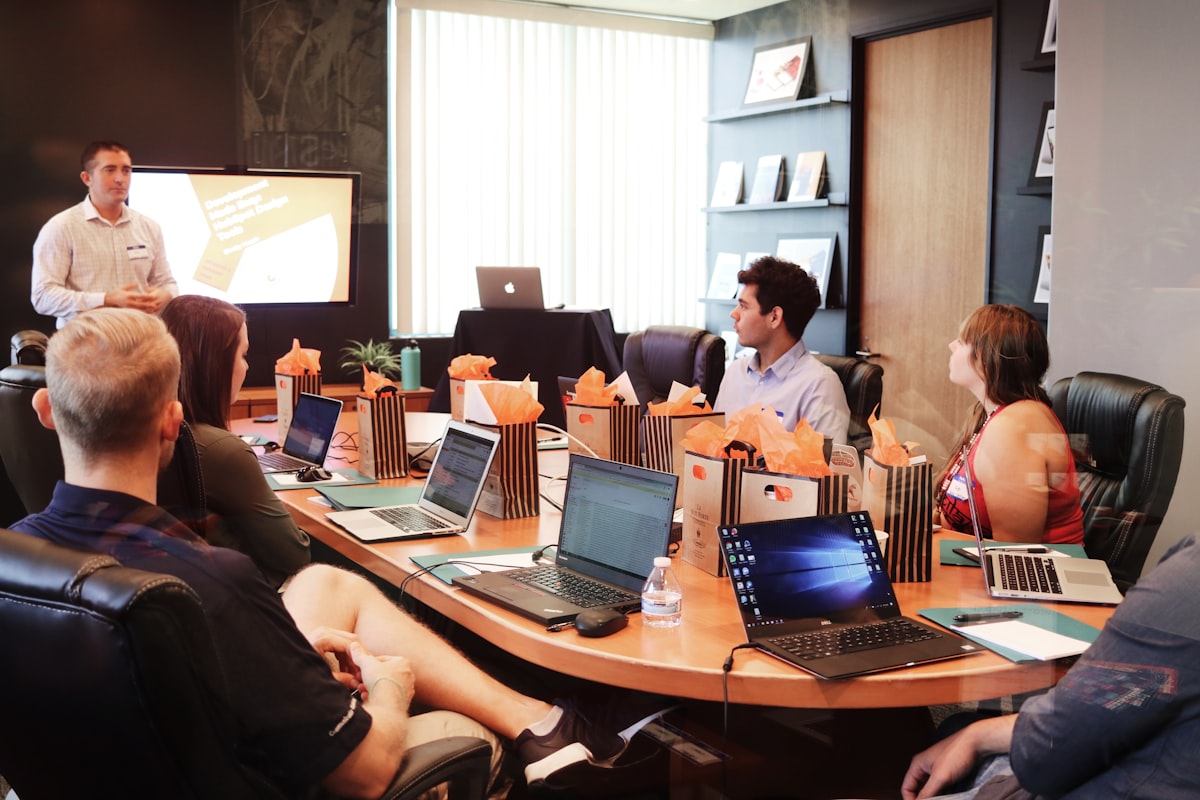
Team meeting with documents and charts on the table

How I approached it

I kept asking the same three questions: what could go wrong, how is that risk controlled, and what information is still missing? That mindset helped me move beyond task completion and into real problem solving.

I also worked with both technical and non-technical stakeholders, which strengthened my ability to translate complex processes into clear documentation and conversations. That communication piece mattered just as much as the analysis.

Image source: Unsplash

What I contributed

My work supported the team in several practical ways. I helped verify that internal controls aligned with organizational and regulatory standards, documented risks across business and technology systems, and tracked remediation efforts as issues were identified.

I also contributed to the clarity of the internal process itself. By helping maintain accurate records and refine documentation, I supported a more consistent and traceable workflow for audits, reviews, and follow-up work.

That experience reinforced an important lesson: strong risk management is not just about finding problems. It is about building systems that make problems easier to identify, explain, and resolve before they grow.

Skills and tools

During this experience, I strengthened my ability to think analytically, write clearly, and collaborate across teams. I used Microsoft Excel, Word, and related documentation tools while building a stronger understanding of cybersecurity fundamentals, data management practices, and enterprise risk frameworks.

Takeaways

Effective risk management requires both technical understanding and business awareness. I saw how much clearer decisions become when teams can look at the same process, the same documentation, and the same standards.

Clear documentation was just as important as the analysis itself, because it kept the work consistent and accountable. That experience also showed me that small improvements in process can have a big impact on system reliability.